Santaia sits at the intersection of neuroscience, psychophysiology, behavioral science, and performance psychology.
Our approach draws from these disciplines to understand how the brain and body respond, adapt, and change over time.
Our approach
We are neuroplastic
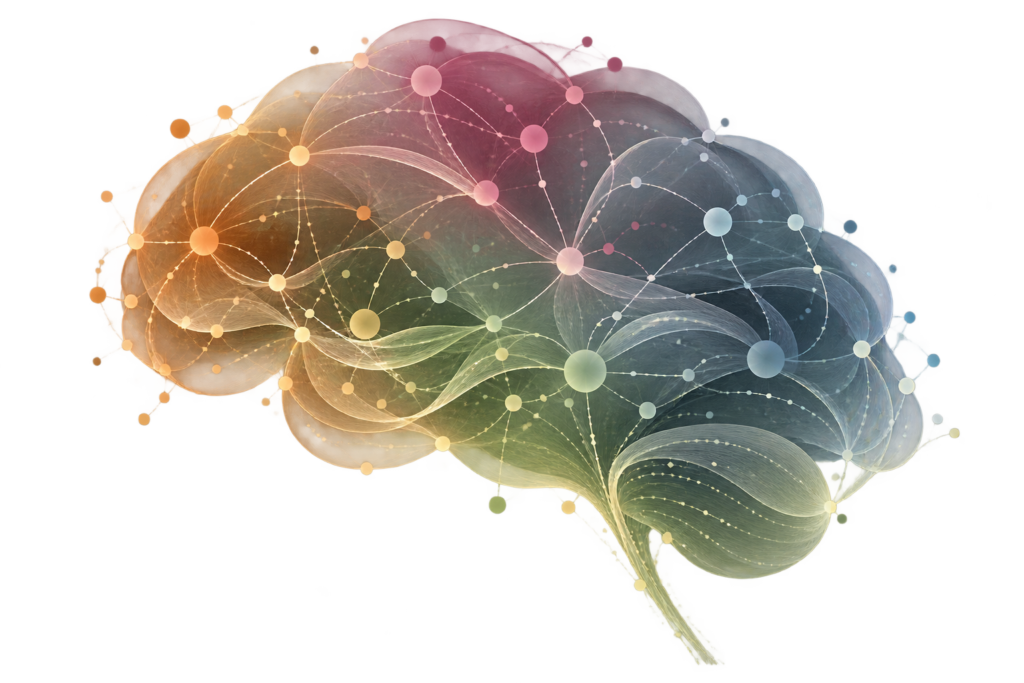
The nervous system is dynamic. Neuroplasticity describes the brain’s capacity to change in response to experience, learning, and repeated demands.
Research shows that neural function and connectivity can adapt throughout adult life, although what changes – and how broadly those changes transfer – depends on the type, intensity, and context of training.
This principle informs how we train at Santaia. Repeated practice creates opportunities to strengthen new patterns of response over time.
What we observe
We integrate a synergistic blend of evidence-informed practices, shown to engage different aspects of how we think, feel, recover, and perform.
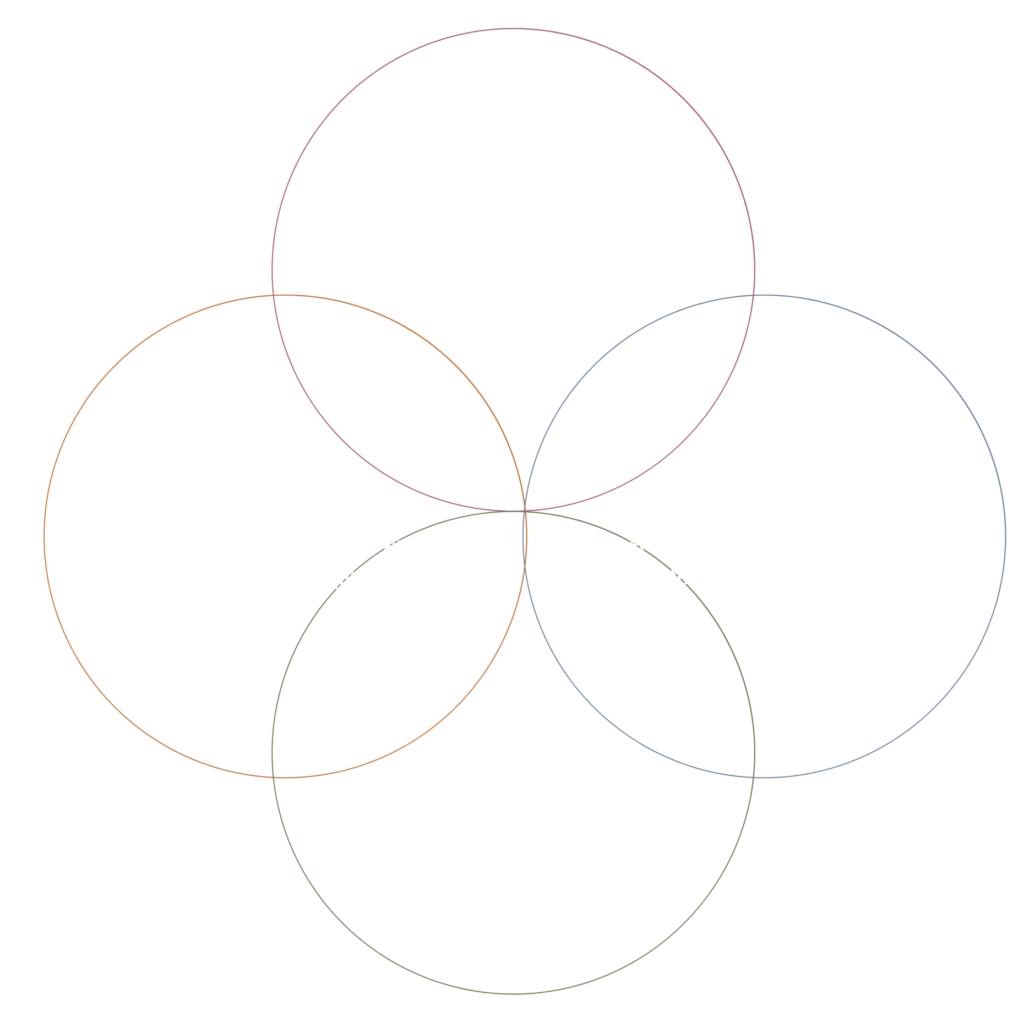
We then look across mind, body, emotion, and energy patterns to understand whether meaningful change is occurring, and adapt training around the individual.
By considering measurement alongside behavior, experience, and targeted goals, we can build whole-person insight, using that information to refine training over time.
What supports understanding
No single metric tells the full story.
Integrating multiple streams of information reveals patterns that are difficult – or impossible – to see in isolation.
Brain Maps & Cognitive Assessments
Research-backed assessments offer insight into how the brain and mind organize attention, regulation, and cognitive processing.
Digital Health & Wearables
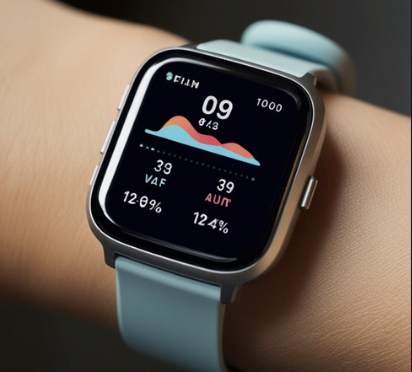
Physiological rhythms such as sleep, recovery, heart rate variability, and activity help track how the body is adapting over time.
Lifestyle Context
Daily habits, nutrition, movement, and environmental inputs influence energy levels, stress load, and recovery capacity.
Self-Reflection and Lived Experience
Your observations and self-reports provide essential context, connecting measurable data with everyday life.
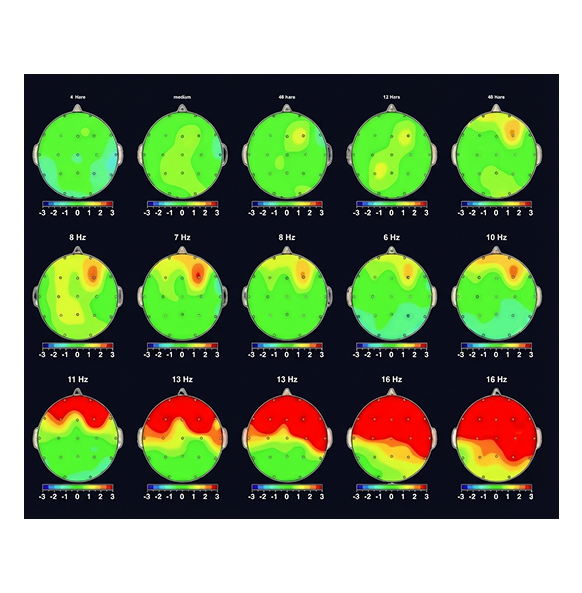
qEEG Brain Mapping
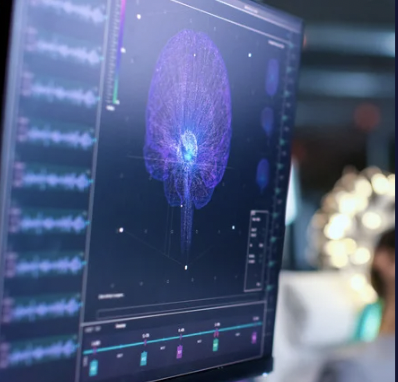
We use non-invasive qEEG brain mapping to make activity patterns visible.
Built on decades of EEG research, qEEG (quantitative electroencephalography) gives us a reliable window into signals related to stress, cognition, emotional regulation, and recovery.
We use this information as one piece of a broader baseline, combining what we can measure with how you actually feel, function, and live.
Neurofeedback uses your own brain activity to train patterns associated with attention, cognitive performance and self-regulation.
EEG measures activity in real time and translates it into visual or auditory feedback, allowing the brain to practice adjusting targeted patterns through repetition.
In as little as 20 minutes a day, neurofeedback turns brain training into practice. Train from home, on your own schedule, with personalized sessions that give your brain repeated opportunities to practice, receive feedback, and adapt over time.